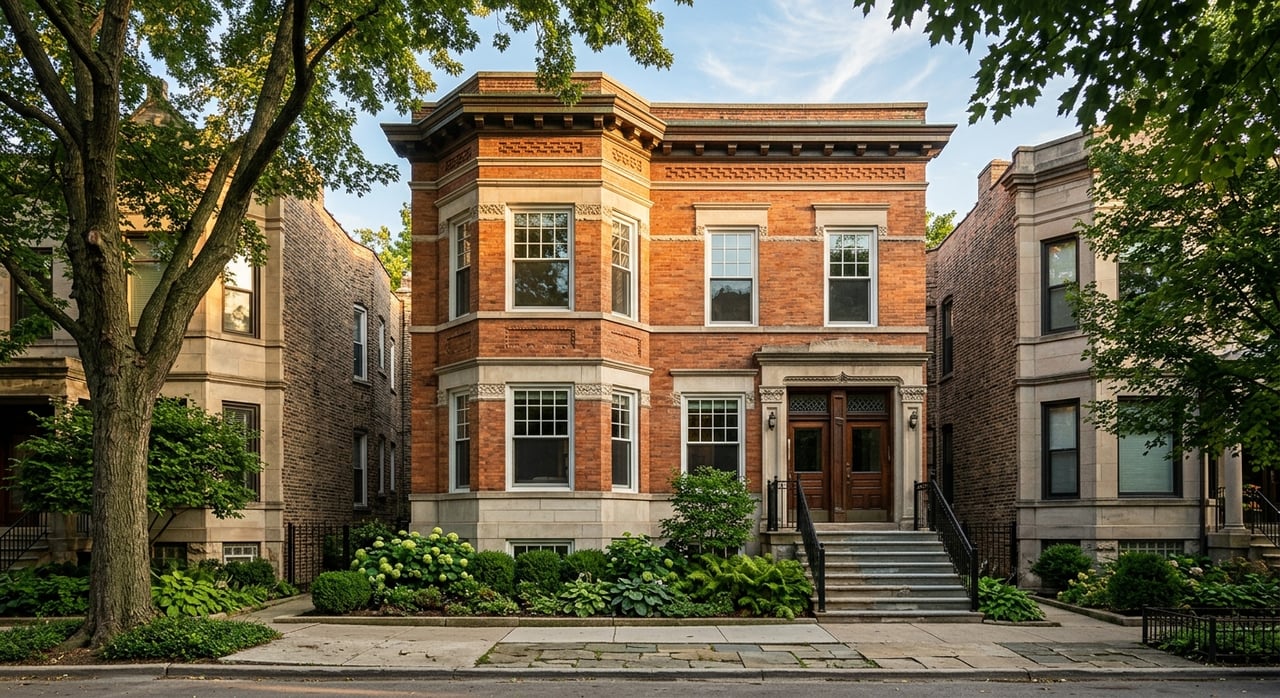
If you have been eyeing South Shore for a two-flat, three-flat, or small apartment building, you are not alone. This lakefront Chicago neighborhood offers a rare mix of classic brick housing, relatively accessible pricing, and a large supply of small multi-family properties. If you want to understand where the opportunity is, what to watch for, and how to think about the numbers, this guide will help you move forward with more clarity. Let’s dive in.
Why South Shore Stands Out
South Shore has the kind of housing stock that naturally draws owner-occupants and small investors. A 2021 parcel survey counted 8,596 parcels, and 85% had structures. Of those structures, 92% were residential, which reflects how deeply housing shapes the neighborhood.
This is also a place with a long history of small multi-family development. Much of the neighborhood grew during the 1920s building boom, which left behind a mix of bungalows, two-flats, and larger apartment buildings. For buyers looking for classic Chicago brick properties with income potential, that matters.
Small Multi-Family Is Not a Niche Here
In some neighborhoods, finding a 2- to 4-unit property can feel like chasing a limited inventory type. In South Shore, it is a meaningful part of the housing stock. CMAP reports 6,628 housing units in 2- to 4-unit structures, while the parcel survey counted 2,245 buildings with 2 to 6 units.
That means your search is grounded in a real segment of the market, not a one-off opportunity. If you are looking for a house hack, a long-term hold, or a small building with value-add potential, South Shore gives you more to evaluate than many buyers expect.
South Shore Pricing in Context
One reason buyers keep South Shore on their radar is pricing. CMAP’s 2022 snapshot showed a median residential sale price of $185,000. In the Cook County Assessor’s 2024 Chicago market data, small multi-family buildings with six units or fewer in South Shore had a median sale price of $310,000, while single-family homes were at $90,000.
Those numbers do not guarantee a deal, but they do show why South Shore gets attention from cost-conscious buyers. In a city where many neighborhoods can feel out of reach, small multi-family opportunities here may offer a more approachable entry point for owner-occupants and smaller-scale investors.
Rental Demand Is Strong, But You Need Realistic Expectations
South Shore remains heavily renter-oriented. CMAP’s current housing profile shows 29,570 housing units, with renter occupancy at 75.6%. That kind of renter share supports the case for leasing demand, especially for well-maintained units in practical locations.
At the same time, the market calls for discipline. The median gross rent is $1,103, and the median renter household income is $33,757. More than half of renter households are cost-burdened, which means affordability matters and pushing rents too aggressively can work against stable occupancy.
This is why South Shore often makes more sense with a conservative plan. A clean, functional unit at the right price point may perform better over time than an overly optimistic rent projection built around best-case assumptions.
Transit Can Support Rentability
Access still matters when you are comparing similar buildings. South Shore has Metra Electric service at the South Shore station near 71st Street and South Shore Drive, and CTA Route 71 serves the 71st and South Shore area.
For buyers thinking about lease-up, that can be a practical advantage. Units closer to transit access and neighborhood corridors may appeal to renters looking for convenience, especially in a market where value and day-to-day function carry real weight.
Why Owner-Occupants Should Pay Attention
South Shore is not only a fit for traditional investors. It can also make sense if you plan to live in one unit and rent out the others. HUD notes that FHA-insured mortgages can be used on 1- to 4-unit properties, and the down payment can be as low as 3.5% in many cases.
That makes the neighborhood’s two- to four-unit inventory especially relevant for buyers who want to build equity while offsetting housing costs. If you have been renting and want to explore a property that supports both homeownership and income potential, this part of the market deserves a closer look.
Condition Matters More Than the Sticker Price
South Shore’s older housing stock can be one of its biggest strengths, but it also raises the importance of due diligence. The parcel survey found that 89% of structures were brick, and 94% appeared to be in good exterior condition. Still, the survey only captured exterior conditions, not interior systems or hidden repair issues.
That means a property that looks solid from the curb may still need major work inside. When you tour small multi-family buildings in South Shore, it is smart to look beyond finishes and focus on the fundamentals.
Key Items to Review
- Roof condition
- Masonry and tuckpointing
- Window age and function
- Plumbing systems
- Electrical updates
- Basement moisture or drainage issues
- Signs of deferred maintenance
In older brick buildings, these items can affect both your upfront rehab budget and your long-term operating costs. A lower purchase price can lose its appeal quickly if major building systems have been neglected.
Underwrite for Stability, Not Hype
South Shore can support value-add thinking, but it is not a market where aggressive projections are your friend. The local rent, income, vacancy, and tax picture all point to the importance of conservative underwriting.
A basic model should include more than price and projected rent. You should stress-test the deal with realistic assumptions for vacancy, repairs, turnover, taxes, insurance, utilities, management, and capital reserves.
What to Include in Your Numbers
- Purchase price
- Rehab budget
- Realistic monthly rent
- Vacancy allowance
- Property taxes
- Insurance costs
- Utility responsibility
- Repairs and maintenance
- Turnover costs
- Management costs, if any
- Capital reserves
South Shore’s vacancy data reinforces this approach. The ACS-based housing profile shows 15.0% vacant housing units, while the parcel survey found 13% vacant parcels and 19.7% vacant occupancy overall. In a market with visible vacancy, stable operations matter more than a rosy spreadsheet.
Property Taxes Need a Close Look
Taxes are a major part of the small multi-family equation in Chicago, and they deserve careful review before you write an offer. Cook County reassesses Chicago every three years, and the Assessor bases value on sales of similar properties. The 2024 reassessment increased residential assessments in Chicago by 18%.
For small multi-family buyers, it is also useful to know that Cook County’s Class 2 residential category includes multifamily buildings with no more than six dwelling units. That does not tell you what any one property’s future bill will be, but it does show why tax planning needs to be part of your underwriting from day one.
Chicago Compliance Is Part of the Investment
In South Shore, evaluating a building means looking at more than bricks and rent rolls. Chicago’s Residential Landlord and Tenant Ordinance governs most residential rental agreements in the city, and compliance issues can become expensive if they are overlooked.
For example, the ordinance requires security deposits to be held in a federally insured, interest-bearing Illinois account. It also requires disclosure of the depository in the lease and requires the city’s ordinance summary to be attached to written rental agreements.
Security deposit mistakes can carry serious consequences. In some cases, violations can trigger damages equal to two times the deposit. That is why legal cleanup can matter just as much as physical cleanup when you are evaluating a small multi-family property.
A Practical Way to Evaluate Opportunity
The best South Shore opportunities often sit at the intersection of price, condition, and realistic operations. A building does not need to be perfect to make sense, but it does need numbers and upkeep that match the neighborhood’s actual market conditions.
As you compare properties, ask simple questions. Is the building functionally solid? Is the rent assumption supported by the local market? Is there enough room in the budget for repairs, vacancy, and taxes without stretching the deal too thin?
That kind of calm, disciplined approach is especially important in a neighborhood like South Shore. There is real opportunity here, but the buyers who usually fare best are the ones who stay grounded, inspect carefully, and plan conservatively.
If you are exploring a two-flat, three-flat, or small multi-family property in South Shore, having local guidance can make the search and evaluation process much easier. The team at Vantage Chicago can help you assess options, understand block-by-block context, and move forward with a clear plan.
FAQs
What makes South Shore appealing for small multi-family buyers?
- South Shore offers a large supply of 2- to 6-unit properties, relatively accessible pricing, strong renter presence, and a long-established stock of classic Chicago brick buildings.
What is the typical small multi-family price point in South Shore?
- According to 2024 Cook County Assessor market data, the median sale price for small multifamily buildings with six units or fewer in South Shore was $310,000.
Are two-flats and small apartment buildings common in South Shore?
- Yes. CMAP reports 6,628 housing units in 2- to 4-unit structures, and the parcel survey counted 2,245 buildings with 2 to 6 units.
Is South Shore a good fit for house hacking?
- It can be, especially because 1- to 4-unit properties may qualify for FHA-insured financing, and buyers may be able to live in one unit while renting the others.
What should you inspect in an older South Shore multi-family building?
- Pay close attention to the roof, masonry, windows, plumbing, electrical systems, basement moisture, and signs of deferred maintenance, since exterior appearance does not always reflect interior condition.
Why is conservative underwriting important for South Shore properties?
- The neighborhood’s rent levels, renter income profile, vacancy levels, and reassessment trends suggest that stable operations and realistic expenses matter more than aggressive rent-growth assumptions.
Do Chicago rental rules matter when buying in South Shore?
- Yes. Chicago’s Residential Landlord and Tenant Ordinance affects lease practices, security deposit handling, required disclosures, and other ownership responsibilities that can directly impact your costs and risk.
